Dressing for the Granddaughter You Haven't Met Yet: How to Build a Wardrobe Worth Keeping
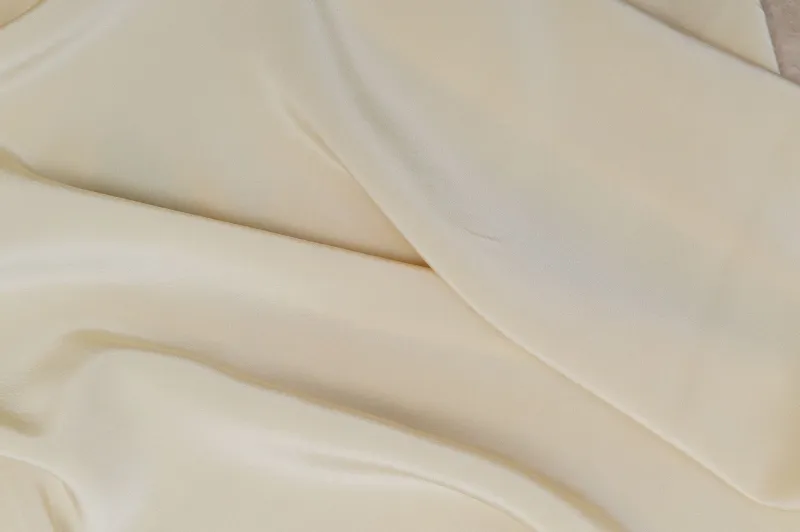
There's a particular kind of magic in opening a cedar chest and finding your grandmother's silk blouse, still beautiful, still faintly fragrant, still perfectly wearable. It's not just a piece of clothing — it's a story. A set of choices she made, a life she lived, handed down to you like a gift she didn't know she was giving.
Building that kind of wardrobe isn't an accident. It's a practice. And it starts with a simple but profound shift in the way you think about getting dressed.
The Problem with Fashion That Expires
Fast fashion has trained us to think of clothes as disposable — seasonal, trend-dependent, and meant to be replaced. And while there's nothing wrong with enjoying a fun, affordable piece every now and then, a closet built entirely on that philosophy tends to feel hollow. Things fall apart. Trends date themselves. And you end up with a lot of stuff that somehow still leaves you feeling like you have nothing to wear.
The heirloom approach asks a different question. Instead of Is this cute right now? you ask Would I still love this in twenty years? Would my daughter?
That's a question that changes everything.
What Makes a Piece Worth Keeping
Not every expensive item is heirloom-worthy, and not every heirloom piece needs to cost a fortune. What matters is a combination of craftsmanship, material quality, and timeless design.
Natural fibers are your best friends. Silk, wool, cotton, and linen age gracefully in ways that synthetic fabrics simply don't. A well-made silk blouse from twenty years ago still looks luxurious. A polyester blouse from the same era often looks exactly its age. When you're investing in a piece you want to last, reach for natural fibers every time.
Construction tells the truth. Turn a garment inside out before you buy it. Are the seams finished cleanly? Are the buttons sewn on tightly, with thread shanks? Is the lining (if there is one) properly attached? Sloppy construction is the clearest sign that a piece wasn't meant to last. Beautiful construction, on the other hand, is a quiet promise.
Design should flatter, not just follow trends. The silhouettes that endure — the A-line skirt, the wrap dress, the tailored blouse with feminine details — do so because they're grounded in proportion and grace rather than a specific cultural moment. When a design is fundamentally flattering, it transcends the decade it was made in.
The Categories Worth Investing In
You don't need to rebuild your entire wardrobe overnight. Start with the categories that offer the most longevity and the most emotional resonance.
A beautiful coat. A well-made wool coat in a classic silhouette — think swing, wrap, or princess cut — is one of the most enduring pieces a woman can own. It gets worn constantly, it photographs beautifully across decades, and it holds up to decades of wear when cared for properly. This is worth spending real money on.
Silk or linen blouses with feminine detail. A blouse with subtle lace trim, delicate pintucks, or pearl buttons is timeless in a way that a trendy graphic tee simply isn't. These are the pieces daughters pull from their mothers' closets and immediately want to wear.
A quality dress in a flattering, simple silhouette. Not a cocktail dress tied to a specific era's party aesthetic, but something with graceful lines and beautiful fabric — a midi dress in silk charmeuse, a cotton lawn dress with smocking, a wool crepe sheath. Something that reads as lovely in any decade.
Jewelry with genuine material value. While not clothing, jewelry is often the most literal heirloom. A simple gold chain, pearl earrings, or a delicate bracelet in real metal and stone will outlast any fashion cycle and carry sentimental weight that costume jewelry simply can't.
Caring for What You're Keeping
The most beautifully made piece in the world won't survive another generation if it isn't cared for. And honestly, caring for quality clothing is one of the most satisfying parts of this whole approach — it's a daily act of respect for what you own.
Store natural fibers properly. Silk and wool should be kept away from direct light and heat. Cedar blocks (not mothballs) protect wool from pests without leaving a chemical smell. Fold knits rather than hanging them to prevent stretching.
Hand wash or dry clean delicate pieces rather than throwing them in a hot machine cycle. Follow care labels. Repair rather than replace — a loose button or a small hem repair is a five-minute fix that extends a garment's life by years.
And consider garment bags for your most precious pieces. It sounds fussy, but a simple cotton garment bag keeps dust and light off a beautiful coat or dress between wearings.
The Sentimental Side of It
Here's the part that doesn't get talked about enough: the emotional dimension of building a wardrobe like this.
When you buy with intention, you remember your purchases differently. You remember where you were when you found that silk blouse. You remember wearing that coat to your best friend's wedding. These memories attach themselves to the garment, and they travel with it. That's exactly what makes an heirloom an heirloom — not just its material quality, but the life that's been lived inside it.
Building this kind of closet is, at its core, an act of optimism. It's a belief that the future is worth preparing for, that the women who come after you will love beautiful things, and that what you choose today might one day make someone feel connected to you across time.
That's a pretty extraordinary thing for a blouse to do.