Grandma Knew Best: How to Wear Real Vintage Pieces Without Looking Like You Raided a Costume Box
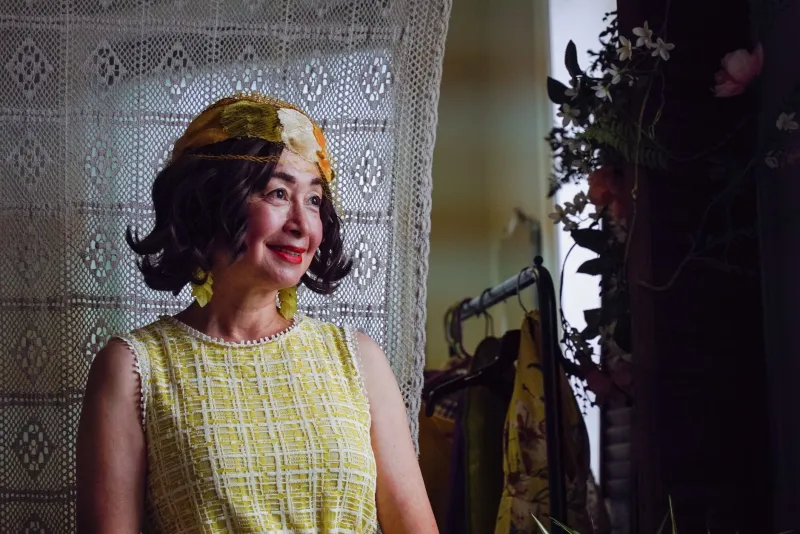
There's a box somewhere — maybe in your parents' attic, maybe at your aunt's house — full of things that belonged to a woman who dressed with real intention. A silk blouse with hand-stitched buttons. A pleated wool skirt that still holds its shape. A beaded evening bag that has survived sixty years without losing a single bead. That woman was your grandmother, and right now, her fashion choices are exactly what the rest of the world is trying to recreate in polyester.
The difference, of course, is that the real thing is so much better.
Gen Z and millennial women are increasingly skipping the fast-fashion vintage look and going straight to the source — actual inherited garments, estate sale finds, and thrift store gems from the 1940s through the 1980s. And it's not just a style choice. It's a statement about quality, sustainability, and the kind of slow, considered dressing that our grandmothers practiced out of necessity and we're rediscovering out of desire.
Why Right Now?
The resurgence of genuinely vintage clothing isn't happening in a vacuum. We're living through a moment of real aesthetic fatigue — fast fashion has flooded the market with pieces that look vaguely retro but feel disposable, and a lot of women are tired of it. There's something deeply satisfying about holding a 1950s cotton shirtwaist that has already outlived multiple trend cycles and shows no signs of stopping.
There's also an emotional dimension that rarely gets talked about. Wearing a piece that belonged to someone you loved — or someone whose life you can imagine — is a form of connection that no new purchase can replicate. It's heirloom dressing, and it carries weight in the best possible way.
Beyond sentiment, the construction quality of garments made before the 1990s is genuinely difficult to find today at any price point. French seams, hand-finished hems, real horn buttons, and fabric weights that actually drape — these were standard features, not luxury upgrades.
The Authentication Question
Before you fall in love with a piece, it helps to know what you're actually looking at. Authentic vintage garments have a few telltale signs that reproductions almost never get right.
Check the label. Care labels as we know them weren't required in the US until 1971, so garments with no care instructions at all are likely pre-1970s. Union labels — from organizations like the ILGWU (International Ladies' Garment Workers' Union) — can help you date pieces from the mid-20th century, and there are online resources that decode the specific label formats by decade.
Look at the zipper. Metal zippers often indicate pre-1960s construction. Nylon coil zippers became common in the 1960s and 1970s. If a zipper is on the side seam rather than the center back, that's a strong indicator of 1940s or early 1950s origin.
Feel the fabric. Natural fibers — wool, silk, cotton, rayon — were the norm before synthetic blends took over in the late 1960s and 1970s. Genuine vintage pieces often feel noticeably different in hand than their modern counterparts.
Examine the construction. Look for hand-stitching, bound buttonholes, and seam finishes done with care. These details are time-consuming and expensive to replicate, which is why they disappeared from mass-market clothing decades ago.
The Sizing Reality Check
This is the part nobody warns you about: vintage sizing is not modern sizing, and the numbers on the labels mean almost nothing by today's standards. A vintage size 14 from the 1950s typically corresponds to a modern size 8 or 10. Don't let a number discourage you from trying something on.
What actually matters is the garment's measurements, not its label. Always measure the bust, waist, and hip of the piece itself (not your body measurements — add a couple of inches for ease of movement). Shoulders are the hardest thing to alter, so prioritize shoulder fit above everything else. Waist and hem adjustments are relatively simple for a skilled tailor; restructuring a shoulder seam is not.
If you're working with inherited pieces specifically, take them to a trusted seamstress before writing anything off as unwearable. You might be surprised what a few thoughtful alterations can accomplish.
Styling Without the Time Warp
The goal is to look like a modern woman who appreciates beautiful old things — not like you're on your way to a themed dinner party. A few principles make all the difference.
Anchor the vintage piece with something contemporary. A 1960s A-line dress looks stunning with modern block-heel mules and a structured crossbody bag. A 1940s blouse pairs beautifully with wide-leg trousers in a current cut. The contrast is what keeps the look grounded in the present.
Keep accessories edited. Resist the urge to go full era-accurate. One vintage-inspired accessory — a brooch, a beaded bag, a silk scarf — is charming. An entire coordinated vintage outfit can tip into costume territory unless you're very intentional about it.
Let the piece do the talking. Genuinely vintage garments are often so distinctive that they don't need much else. A beautifully constructed 1970s wrap dress in a bold print is a complete look. Trust the original designer.
Mind the occasion. A 1950s cocktail dress can absolutely work for a modern holiday party or a wedding reception. A 1940s housedress is perfect for a weekend brunch. Matching the piece to an appropriate contemporary context keeps everything feeling intentional.
The Heirloom Mindset
What makes this trend feel different from other vintage revivals is the seriousness with which women are approaching it. This isn't about buying a reproduction prairie dress because cottagecore is trending. It's about recognizing that the women who came before us made considered, lasting choices — and that those choices are worth honoring and continuing.
Your grandmother didn't buy twelve blouses a season. She bought two that she loved and wore them until they became part of her identity. That approach to dressing — slow, intentional, quality-focused — is exactly what a lot of us are trying to find our way back to.
The beautiful thing is that the pieces she left behind are already there, waiting. You just have to know how to wear them.