How to Keep Your Delicate Vintage Pieces Looking Gorgeous for Decades to Come
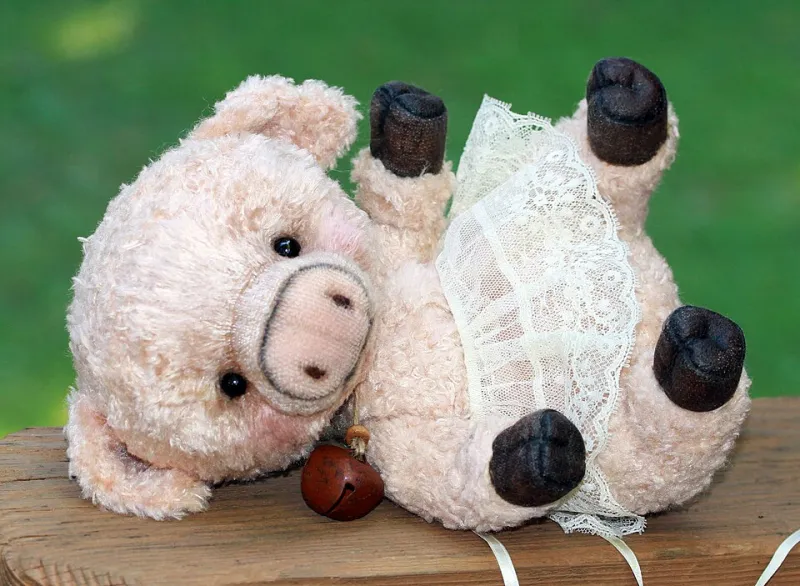
Photo: thepeachpeddler from USA, CC BY 2.0, via Wikimedia Commons
There's something genuinely magical about a garment that has outlasted trends, decades, and even generations. A silk blouse with hand-rolled hems. A lace overlay dress with tiny pearl buttons. A tulle petticoat that still holds its shape after fifty years. These aren't just clothes — they're stories. And if you want those stories to keep going, you have to know how to take care of them.
At Ruffles & Bloomers, we believe that beautiful, romantic pieces deserve more than a toss in the washing machine and a prayer. So whether you're working with true vintage finds or newer pieces made in the spirit of a softer era, here's everything you need to know about keeping them in heirloom condition.
Know Your Fabrics Before You Do Anything Else
The single most important step in caring for delicate garments is understanding what they're made of. Different fabrics have completely different needs, and treating them all the same way is how beloved pieces get ruined.
Silk: Protein-based and sensitive to heat, harsh detergents, and prolonged sun exposure. Silk can water-spot easily and loses its luster when handled roughly.
Lace: Depending on its origin, lace can be made from cotton, silk, nylon, or a blend. Antique lace is especially fragile because the fibers have aged and become brittle over time. Any tension or friction can cause irreversible damage.
Tulle: Usually made from nylon or polyester in modern versions, or silk in older pieces. Tulle can snag, crush, and — in the case of silk tulle — deteriorate with moisture.
Chiffon and Georgette: Lightweight and prone to snagging. These fabrics can stretch out of shape if not handled carefully when wet.
Cotton voile and lawn: More forgiving than silk, but still prone to shrinking and distortion in high heat.
Always check the care label first. If there isn't one (common with true vintage), err on the side of the most conservative care method.
Washing Techniques That Won't Wreck What You Love
For most delicate vintage and vintage-inspired pieces, hand washing is the safest route — when washing is appropriate at all.
Hand washing basics:
- Fill a clean basin or sink with cool or lukewarm water (never hot).
- Add a small amount of a gentle, pH-neutral detergent formulated for delicates. Brands like Woolite Delicates or The Laundress Delicate Wash are solid choices widely available in the US.
- Submerge the garment and swish gently. Do not scrub, wring, or twist.
- Rinse thoroughly with cool water until no soap remains.
- To remove excess water, lay the garment flat on a clean dry towel, roll the towel up with the garment inside, and press gently. Never wring.
- Lay flat to dry away from direct sunlight and heat sources.
When NOT to wash at home:
- Anything with beading, embroidery, or heavy embellishments
- True antique lace (pre-1950s especially)
- Garments with unknown fiber content
- Anything with visible fragility, tears, or weak seams
- Heavily structured pieces with boning or interfacing
For these, dry cleaning or professional wet cleaning (a gentler alternative to traditional dry cleaning) is the right call.
Storage: The Details That Make All the Difference
How you store your delicate pieces between wearings matters just as much as how you clean them — sometimes more.
Avoid wire hangers entirely. They distort shoulder seams and can rust, leaving stains on fabric. Padded hangers are ideal for blouses and dresses. For very delicate or heavy pieces, flat storage is safer than hanging, which can cause fabric to stretch over time.
Breathable garment bags are your best friend for long-term storage. Avoid plastic bags and bins, which trap moisture and can cause yellowing and mildew. Cotton muslin bags or acid-free tissue paper are the gold standard.
Fold knits and beaded pieces rather than hanging them. Place acid-free tissue between folds to prevent permanent creasing.
Keep pieces away from light. UV exposure causes fading and fiber degradation over time. A dark closet or cedar chest is ideal.
Cedar blocks or lavender sachets deter moths naturally without the harsh chemicals of mothballs, which can damage delicate fabrics and leave lingering odors.
For true heirloom pieces you're storing long-term — a grandmother's wedding dress, a christening gown, a special occasion piece — consider professional archival storage or at minimum, wrapping in acid-free tissue and placing in an acid-free box.
Simple Repairs You Can Do at Home
Even well-loved pieces need a little maintenance. The good news is that many common issues are easy to address before they become major problems.
Loose buttons: Resew immediately. A button that's barely hanging on is a button that will take fabric with it when it falls off. Use thread that matches the original, and reinforce with a small square of interfacing on the inside if the fabric is fragile.
Small snags in lace or chiffon: Use a blunt tapestry needle or a snag repair tool (available at most craft stores) to gently pull the snag through to the wrong side. Do not cut snags — this creates a hole.
Underarm discoloration: For washable silk and cotton, a paste of oxygen-based cleaner and cool water applied gently before washing can help. For anything you're unsure about, consult a professional.
Loose seams: A simple hand stitch using matching thread can reinforce a seam before it opens further. Use a small, even running stitch and knot securely.
When to Call in the Professionals
Some situations genuinely require expert hands, and there's no shame in recognizing that. Seek out a professional textile conservator or a dry cleaner who specializes in vintage and delicate garments for:
- Significant staining on silk or lace
- Torn lace that requires re-weaving or patching
- Yellowing on white or ivory fabrics
- Restoration of beading or embroidery
- Alterations on fragile vintage pieces
The American Institute for Conservation (AIC) maintains a directory of certified textile conservators at culturalheritage.org — a great starting point if you're dealing with a truly irreplaceable piece.
Your delicate pieces deserve a long life. With a little knowledge and a lot of gentleness, they'll bloom beautifully for generations to come.