Soft Is the New Strong: Why Feminine Fashion Details Are Becoming a Form of Rebellion
Photo: Unknown, CC BY 4.0, via Wikimedia Commons
For a long time, the cultural message was pretty clear: if you wanted to be taken seriously, you dressed the part. Structured blazers. Minimal jewelry. Clean lines. The aesthetic of ambition was sharp, polished, and — let's be real — deliberately stripped of anything that might read as "too feminine." To get ahead, the thinking went, you had to dress like you meant business, and business didn't have time for ruffles.
But something fascinating is happening right now, and if you've been paying attention to what people are actually wearing — not just what the industry is pushing — you've probably noticed it. Soft is making a comeback. Lace is showing up in places it hasn't lived since your grandmother's era. Floral prints are no longer confined to summer dresses. And ruffles? They're everywhere, worn with confidence and zero apology.
This isn't a nostalgia trip. It's something more interesting than that.
The Burnout Backlash Nobody Predicted
It probably shouldn't be a surprise that the aesthetic of relentless productivity has started to crack. The pandemic reshuffled a lot of people's priorities, and the years that followed brought a growing cultural conversation about burnout, boundaries, and what we actually want our lives to look like.
For a lot of younger consumers — particularly Gen Z and younger millennials — the hustle-culture aesthetic started to feel like a costume they never agreed to wear. The "that girl" morning routine, the structured blazer as armor, the idea that looking soft somehow meant being less capable — all of it started to feel exhausting.
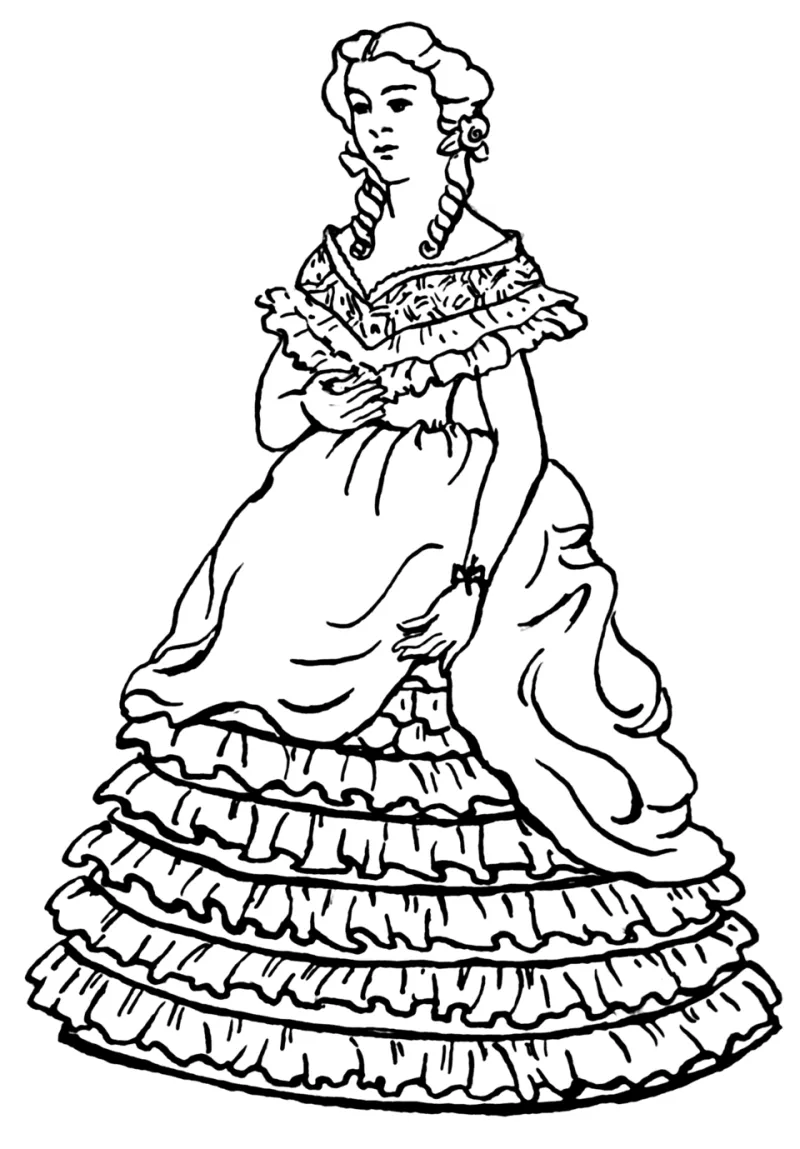
Enter what some are calling the "soft life" movement, or more recently, the "coquette" aesthetic that exploded on TikTok and Pinterest. Suddenly, bows were everywhere. Lace trim on everything. Cottagecore florals. Vintage-inspired silhouettes with nipped waists and full skirts. The visual language of feminine delicacy wasn't being hidden — it was being celebrated, loudly and deliberately.
And the message underneath all of it? I refuse to perform toughness for your comfort.
What the Designers Are Saying
High fashion has been tracking this shift for a few seasons now. Designers like Simone Rocha have built entire careers on the idea that lace, tulle, and floral embellishment are not decorative afterthoughts — they're the point. Her work has influenced a generation of younger designers who are equally unafraid of delicacy.
At the more accessible end of the market, brands are responding to genuine consumer demand. The popularity of prairie-inspired dresses, ruffle-hem blouses, and lace-detail tops at retailers across every price point tells a clear story: people are actively seeking out softness. This isn't a designer-down trend being pushed onto reluctant consumers. It's bubbling up from the people actually buying clothes.
Even in the quieter corners of "quiet luxury" — a trend that's dominated fashion conversation over the past couple of years — there's been a subtle but meaningful shift. The early iteration of quiet luxury was all about minimal, logo-free, almost austere dressing. But increasingly, the "quiet" part is being interpreted differently: understated embroidery, delicate pearl buttons, the whisper of a ruffle at a collar. Luxury doesn't have to be cold to be sophisticated.
The Self-Care Angle Nobody Talks About
Here's something worth sitting with: the way we dress affects how we feel. This isn't a revolutionary idea, but it's one that gets underplayed in fashion conversations that focus almost exclusively on how we look to others.
For many people who've embraced softer, more romantic dressing, the appeal is deeply personal. Getting dressed in something beautiful — something with a little detail, a little intention — can feel like an act of care toward yourself. It's the wardrobe equivalent of using the good dishes or lighting a candle just because.
In a cultural moment that has asked so much of so many people, choosing to wear something that simply makes you feel lovely is not trivial. It's actually kind of radical.
This is something the wellness world has understood for a while — that the rituals we build around ourselves matter. Fashion is finally catching up to the idea that dressing well doesn't mean dressing for productivity or for other people's approval. It can mean dressing for your own joy.
Accessible Femininity: The Democratization of Romantic Style
One of the most exciting parts of this cultural moment is that romantic, feminine dressing is increasingly accessible. You don't need a designer budget to participate. Thrift stores and vintage markets across the country are full of pieces that fit this aesthetic — and the hunt is half the fun. Online resale platforms like ThredUp and Poshmark have made it easier than ever to find quality vintage-inspired pieces at approachable prices.
Small brands and independent designers are also having a real moment. Etsy shops specializing in handmade lace-trimmed blouses, custom ruffle-detail skirts, and one-of-a-kind vintage finds have seen significant growth, driven in large part by consumers who want something that feels personal and considered rather than mass-produced.
This is good news for everyone who loves feminine fashion but has felt priced out of it or culturally talked out of it.
What This Means Going Forward
Fashion cycles, always. The pendulum swings, trends come back around, and what feels fresh today will eventually feel dated. That's just how it works.
But what feels different about this particular moment is that the return of soft, romantic, detail-rich dressing isn't just a trend cycle completing itself. It's connected to something bigger — a broader cultural renegotiation of what strength looks like, what femininity means, and who gets to define it.
Wearing a lace blouse or a ruffle-trimmed dress isn't a statement that you're delicate or that you don't take yourself seriously. If anything, it's the opposite. It's saying: I get to decide what I wear and what it means, and right now, I choose beauty.
And honestly? That sounds pretty strong to us.