Perfume as a Practice: How to Build a Fragrance Wardrobe the Old-Fashioned Way
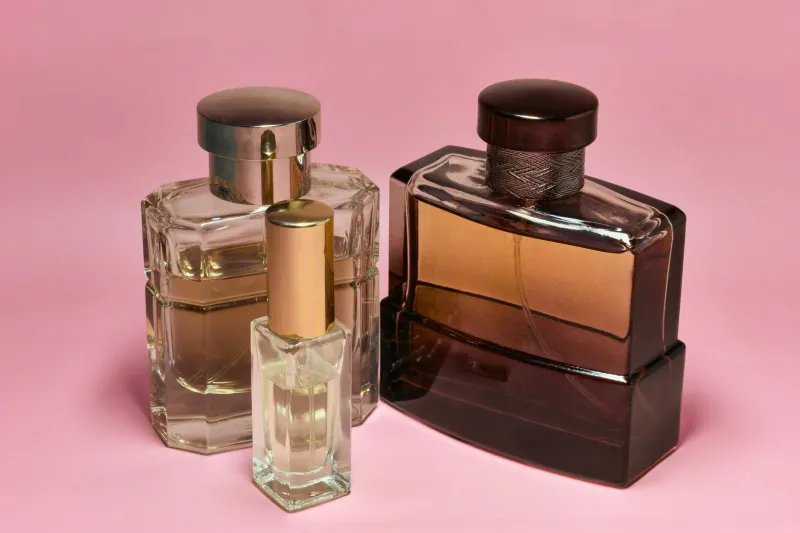
There's a particular kind of magic in opening a vintage vanity drawer and catching a ghost of someone's perfume. Powdery, floral, warm — it hits before a single thought forms. That's the thing about scent: it bypasses logic entirely and goes straight to the heart. Your grandmother understood this. She didn't treat fragrance as an afterthought or a single signature she wore to death. She treated it like a wardrobe — layered, intentional, seasonally rotated, and deeply personal.
Somewhere along the way, we simplified. A single bottle on the bathroom counter, grabbed in the rush of the morning. But there's a quieter, more romantic approach waiting to be reclaimed — and it starts with understanding that fragrance is just as much a part of getting dressed as the dress itself.
Why the Multi-Fragrance Wardrobe Makes So Much Sense
The idea of owning multiple perfumes might feel indulgent at first, but think about it this way: you wouldn't wear the same shoes to a garden brunch and a candlelit dinner. Scent works the same way. Different fragrances carry different emotional registers, and wearing the right one for the right moment creates a kind of invisible coherence to your whole look.
The 1950s socialite — that gold standard of curated femininity — typically had at least three or four bottles on her vanity. A light floral eau de cologne for daytime errands and luncheons. A heavier, more complex oriental or chypre for evenings out. A soft, clean scent for lazy Sunday mornings. Maybe something green and grassy for summer walks. Each one was a costume change in miniature.
This isn't about spending a fortune. It's about being intentional — and having a little fun with it.
Understanding Fragrance Families (Without the Intimidating Jargon)
You don't need to become a perfume expert to build a beautiful collection. A rough understanding of fragrance families goes a long way:
Florals are the most classic feminine category — think roses, peonies, jasmine, lily of the valley. They read as romantic and soft, making them natural companions to daytime looks, spring outfits, and anything with lace or ruffles. Chanel No. 5, Joy by Jean Patou, and the entire catalog of Guerlain florals from the mid-century are worth exploring here.
Musks and Orientals run warmer and deeper — vanilla, amber, sandalwood, iris root. These are your evening fragrances, your autumn and winter companions, the ones that linger on a cashmere cardigan. They feel grown-up and a little mysterious in the best way.
Green and Aquatic Scents are fresher, crisper, and work beautifully in summer or on casual days when you want to feel like you've just walked through a garden rather than through a department store fragrance counter.
Chypres — a category built on oakmoss, bergamot, and labdanum — are the sophisticated older sister of the bunch. They were enormously popular in the 1960s and '70s and have a timeless, slightly retro quality that suits the vintage-inspired dresser perfectly.
The Psychology of Scent Memory
Here's the science-backed reason your grandmother's perfume still makes you cry twenty years later: smell is the only sense with a direct neural pathway to the limbic system, the brain's emotional and memory center. Every other sense is filtered. Scent goes straight in.
This means the fragrances you wear now are quietly building the sensory archive of your life. The perfume you spritz before a first date, before a job interview, on your wedding morning — those bottles become time capsules. Building a fragrance wardrobe isn't just about smelling lovely today. It's about creating the scent memories that will define this chapter of your life for everyone who loves you.
Choose with that in mind.
How to Layer Fragrances Like a Pro
Layering — wearing more than one fragrance at once — is an old technique that's having a real renaissance. The goal isn't to create chaos; it's to build depth, the way you'd layer a lace camisole under a silk blouse.
A few simple rules:
- Start with the heaviest scent on skin (pulse points at wrists, inner elbows, base of throat) and layer lighter scents on top or on clothing.
- Pair within the same family for harmony — a rose soliflore with a light musk, for instance, rather than a rose with a sharp aquatic.
- Less is more. One spritz of each is almost always enough. Fragrance should be discovered, not announced.
- Consider scented body lotion as the first layer — it moisturizes, extends wear time, and creates a soft base that makes the perfume bloom differently on your skin.
Investing Wisely: What to Spend and Where to Save
Fragrance investment is real, and quality does matter — but you don't need a shelf of $300 bottles to build something beautiful. A few practical thoughts:
Spend more on the fragrance you'll wear daily and most intimately, since that one will carry the most emotional weight. Look at houses like Guerlain, L'Artisan Parfumeur, or Maison Margiela's Replica line for quality at accessible price points. For special occasion scents, vintage bottles from eBay or Etsy are genuinely worth exploring — many pre-1980s formulations used natural ingredients that modern reformulations have replaced with synthetics, and the difference is noticeable.
Decant services (sites like Scent Split or Surrender to Chance) let you try before committing to a full bottle, which is smart shopping for a product you can't return once opened.
Store your collection away from light and heat — a drawer or a closed cabinet, not a sunny windowsill — and they'll last for years. Some perfumes, particularly the great orientals, actually improve with age. Another thing your grandmother knew that we forgot.
Putting It All Together
Building a fragrance wardrobe doesn't happen overnight, and it shouldn't. This is one of those pleasures best approached slowly — a new bottle discovered on a trip, a vintage find at an estate sale, a gift from someone who knows you well. Let it grow organically.
Start with two: one light, daytime floral and one warmer, evening-appropriate scent. Wear them intentionally. Notice how they change the feeling of an outfit, a morning, a whole day. Then add a third when something calls to you.
Fragrance is the invisible accessory, the finishing touch your grandmother never left the house without. It costs nothing to reclaim that ritual — and it adds something genuinely irreplaceable to the art of getting dressed.