Sleeve Drama, Solved: A Field Guide to Puffs, Bells, and Bishop Sleeves
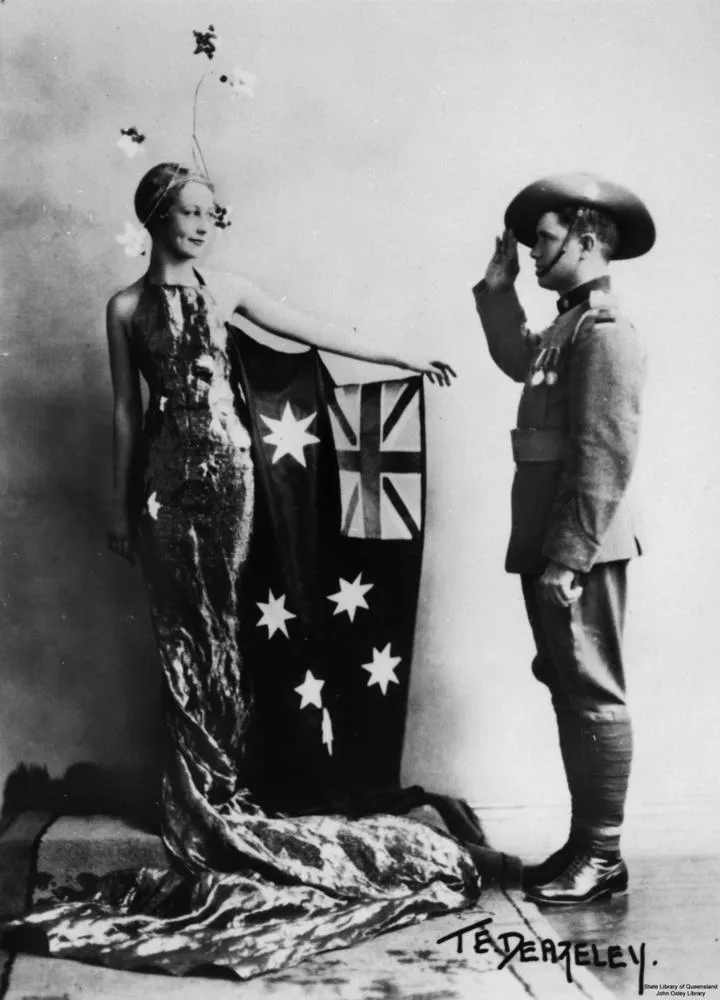
Photo: Deazeley, T. E.?, Public domain, via Wikimedia Commons
There is a particular thrill in catching your reflection in a shop window and realizing your sleeve is doing something wonderful. Billowing, ballooning, cascading past your wrist like a romantic-era heroine just waved hello. Statement sleeves are having another American moment, and unlike some trends we could name, this one has receipts — nearly two hundred years of them.
A Brief, Puffy History
Sleeves have never been shy about making an entrance. The 1830s gave us the gigot — the leg-of-mutton sleeve, so enormous at the shoulder it required internal padding to hold its shape. By the 1890s, the gigot returned with a vengeance, and women of the Gilded Age wore them to dinner parties the size of small weddings. The 1930s softened everything into the bishop sleeve, a long, gathered cloud that puddled elegantly at the wrist. Then the 1980s — well, you know what the 1980s did. Puff sleeves on prom dresses, power shoulders in the boardroom, and a general philosophy that more was more.
The through-line? Every time fashion gets minimalist and austere, sleeves balloon back. We're in one of those cycles now, and honestly, we're thrilled about it.
Know Your Silhouettes
The puff sleeve gathers at the cuff or shoulder and fills out like a little cloud. Modern versions run from subtle (a two-inch puff at the cap) to full Renaissance faire.
The bishop sleeve is long and full, gathered into a fitted cuff at the wrist. It's the most wearable of the dramatic family — fluid, graceful, and surprisingly practical.
The bell sleeve flares from the elbow or shoulder into a wide opening, like an upside-down tulip. It moves beautifully and shows a flash of wrist, which is one of fashion's most underrated flirtations.
The gigot or leg-of-mutton peaks dramatically at the shoulder and tapers to a fitted forearm. It's the boldest of the bunch and the trickiest to pull off — but when it works, it works.
Which Sleeve for Which Frame
The secret to wearing big sleeves isn't having a model's proportions — it's balance. Here's the honest cheat sheet:
- Broad shoulders? Skip the gigot and cap-puff, which add width up top. A bishop or bell sleeve draws the eye down and lengthens the arm instead.
- Narrow shoulders or smaller bust? You were built for this moment. A puff or gigot adds structure and presence where you might want it.
- Petite frames: Keep the volume in check — a modest puff or a three-quarter bell reads elegant rather than overwhelming. Proportion is everything; a floor-sweeping bell sleeve on a 5'2" frame can swallow you whole.
- Fuller arms: A bell sleeve is your best friend. It skims and floats rather than clinging, and the flare at the wrist creates a lovely line.
Keeping the Drama in Its Place
The number one mistake with statement sleeves is competing with yourself. If the sleeve is the star, let everything else whisper. A voluminous blouse with a simple midi skirt. Puffed sleeves with straight-leg jeans and flat sandals. The sleeve should be the exclamation point, not the whole paragraph.
Watch your outerwear, too. A fitted blazer over a bishop sleeve is a fight nobody wins. Look for coats with generous arms, or drape your jacket over your shoulders and accept the drama.
Fabric matters more than you'd think. Crisp cotton poplin holds a puff's shape all day; slippery satins collapse into soft draping by lunch. Neither is wrong — just know which look you're buying.
Start Small, Go Big
If you're sleeve-curious but nervous, begin with a subtle puff on a knit top or a bell sleeve in a neutral tone. Wear it once around the house. Then wear it to the grocery store. We promise nobody will point and stare — they'll probably ask where you found it.
The statement sleeve isn't a costume. It's a love letter to an era when getting dressed was an event. Wear it like you mean it.