From Petticoats to Pajamas: The Surprising Modern Life of Victorian Bloomers
There's something quietly radical about pulling on a pair of wide-leg, gathered shorts and calling it fashion-forward. But that's exactly what's happening in boutiques and Instagram feeds across the country right now — and honestly? It makes perfect sense.
The bloomer has had a wild ride through history. First introduced in the 1850s as a practical alternative to the crushing weight of petticoated skirts, they were named after women's rights advocate Amelia Bloomer, who championed the style in her publication The Lily. They were controversial, they were liberating, and they were eventually pushed back underground — literally — becoming undergarments hidden beneath layers of Victorian propriety. Fast forward about 170 years, and they're back. But this time, they're not hiding under anything.
Why Now? The Comfort Revolution That Changed Everything
The early 2020s shifted something fundamental in how American women think about getting dressed. Elastic waistbands stopped being a guilty secret. Loose silhouettes became aspirational rather than apologetic. And the fashion industry — always looking for the next beautiful thing to revive — found fertile ground in the romantic, billowy shapes of the 19th century.
Cottagecore aesthetics opened the door. Prairie dresses and puff sleeves followed close behind. And somewhere in that wave of nostalgia and softness, the bloomer-inspired silhouette slipped back in, this time wearing the confident label of "intentional comfort dressing."
Designers started noticing that women wanted something that felt as good as loungewear but looked deliberate, even romantic. The gathered, voluminous short — whether called a bloomer, a culotte, or simply a wide-leg short — answered that call beautifully.
How Today's Designers Are Reimagining the Original
The modern bloomer revival isn't a costume moment. It's a genuine reinterpretation that keeps the spirit of the original while updating every practical detail.
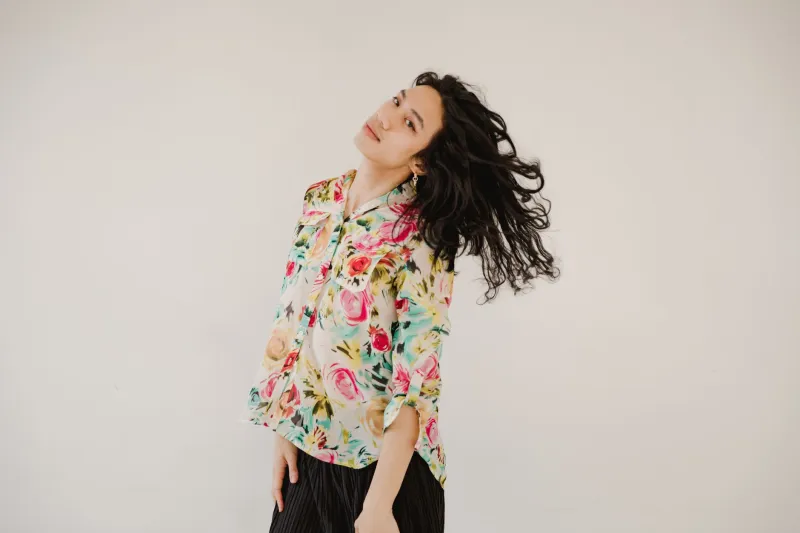
Fabrics are everything. Victorian bloomers were typically cotton or wool — functional but often stiff. Today's versions lean into lightweight linen, washed silk, and soft cotton voile. Brands like Hill House Home (famous for their nap dress movement) and indie labels such as Christy Dawn and Selkie have all played with gathered, voluminous silhouettes that echo bloomer aesthetics without requiring a history lesson to understand them.
The waistband has been liberated. Elasticated, smocked, or drawstring waists are the standard now — no corset required. This single detail transforms the garment from restrictive historical curiosity to genuinely wearable everyday piece.
Length is flexible. Some iterations hit mid-thigh for a playful, almost childlike sweetness. Others fall just below the knee for a more modest, romantic look. The beauty is that there's no single right answer, which feels very right for 2024.
Styling Your Bloomer-Inspired Pieces Without Looking Like You Raided a Costume Trunk
The biggest hesitation most women have about this trend is the "costume" factor. Fair concern! Here's how to keep it grounded in the present while honoring its charming past.
Pair with structure up top. A fitted button-down, a tailored linen blouse, or even a simple ribbed tank creates contrast that reads as intentional rather than theatrical. The volume of the bloomer works best when it's balanced.
Ground it with modern footwear. White sneakers, leather mules, or simple loafers do a lot of the heavy lifting here. They signal "I know exactly what I'm doing" without trying too hard. Save the Mary Janes for when you really want to lean into the vintage vibe.
Don't over-accessorize. Let the silhouette breathe. A simple gold chain, small stud earrings, and a structured crossbody bag are all you need. The shape itself is the statement.
Layer with intention. A long cardigan or an oversized linen blazer can take a bloomer-style short from garden afternoon to farmers market morning to casual dinner without missing a beat.
The Brands Leading the Nostalgic Revival
Beyond the indie darlings, mainstream retailers are catching on too. Anthropologie regularly stocks smocked and gathered shorts with clear Victorian DNA. Free People leans into the romantic-boho overlap that bloomers occupy naturally. And on the higher end, designers like Batsheva have built entire collections around the idea that historical silhouettes deserve a serious, modern platform.
For those who love to shop small, Etsy is genuinely a goldmine for handmade bloomer-style pieces in Liberty print cotton, vintage-washed linen, and heirloom-quality fabrics. Many of these makers are consciously connecting their work to the feminist history of the garment, which adds a lovely layer of meaning to the purchase.
More Than a Trend: What the Bloomer Revival Actually Means
Here's the thing about this particular comeback — it's not just aesthetic. The bloomer has always been tangled up with the idea of women claiming space, both physical and cultural. Amelia Bloomer wasn't just advocating for a different kind of pants; she was advocating for a different kind of life.
Today's woman pulling on a pair of wide, gathered shorts isn't necessarily thinking about 19th-century suffrage politics. But she is, in her own quiet way, participating in the same conversation: clothing should serve the person wearing it, not the other way around. Comfort is not a compromise. Femininity and ease are not opposites.
The bloomer renaissance is really just the latest chapter in that very long, very beautiful story.
And honestly, we're here for every ruffled, gathered, gloriously comfortable page of it.