Romantic Dressing Has Left the Mood Board — And It's Not Going Back
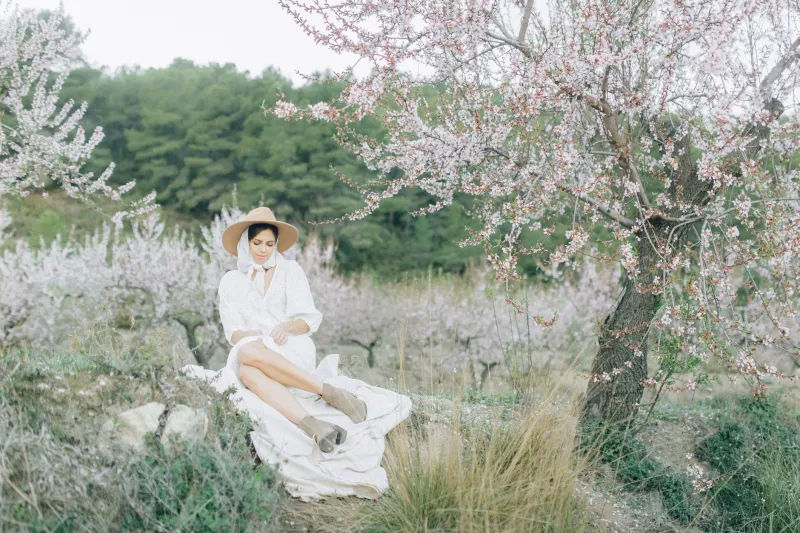
Not so long ago, wearing a floral prairie dress to run errands or choosing a lace-trimmed blouse for a Tuesday at the office was the kind of thing that invited a raised eyebrow. Romantic dressing — the soft, nostalgic, unapologetically feminine aesthetic that draws from Victorian gardens and 1970s countryside cottages — was something that lived in very specific corners of the internet. It was a mood board thing. A Pinterest thing. A you had to know where to look thing.
That's no longer the case.
From Niche to Nationwide
Over the last several years, what fashion insiders once filed under "cottagecore" or "dark academia" has migrated decisively into the mainstream. Target is stocking eyelet sundresses. Anthropologie's romantic floral midi skirts are selling out in hours. Reformation, a brand known for its sustainability-forward approach, has leaned heavily into vintage-inspired silhouettes. Even Amazon's fashion bestseller lists are regularly dominated by puff-sleeved blouses and ruffle-hem dresses.
This isn't accidental. Retailers follow demand, and demand — particularly among women aged 18 to 45 — has been pointing firmly in the direction of soft, romantic, and nostalgic for a while now.
The numbers back it up. Search interest in terms like "cottagecore fashion," "vintage floral dress," and "prairie blouse" has remained consistently elevated since 2020, according to Google Trends data. What began as a pandemic-era retreat into comfort and fantasy has hardened into a genuine, durable aesthetic identity for millions of American women.
The Cultural Moment Behind the Movement
To understand why romantic fashion is thriving, you have to look at what's happening culturally — because clothes are never just clothes.
The early 2020s were defined, in no small part, by a collective exhaustion with the sleek, minimalist, performance-optimized aesthetic that had dominated fashion for years. Athleisure was practical. Normcore was ironic. Fast fashion was everywhere and, increasingly, everywhere looked the same. Something in the cultural atmosphere started to crave the opposite: texture, detail, warmth, and a sense of history.
Enter the romantics.
There was also something quietly political about it — which we explored in a previous piece on feminine fashion as a form of rebellion. Choosing to wear something soft, ornate, and deliberately beautiful in a world that prizes efficiency above all else is, in its own gentle way, a statement. It says: I have time for beauty. I choose loveliness. I am not optimizing myself for productivity.
For a generation of women navigating a relentlessly fast-paced, digitally saturated world, that statement resonates deeply.
Celebrity Style Is Amplifying the Signal
When aesthetics move from niche to mainstream, celebrity styling usually plays a role — and romantic fashion is no exception.
Taylor Swift's Eras Tour leaned heavily into vintage-inspired femininity, with corseted bodices, prairie blouses, and floral embroidery featured prominently across multiple tour looks. Her fan base — famously devoted and fashion-forward — absorbed and amplified those references across social media almost instantly.
Sophia Coppola's continued cultural influence, the ongoing obsession with Bridgerton's Regency-inspired wardrobes, and the viral success of period dramas on streaming platforms have all kept romantic, historically-inflected fashion in the conversation. When millions of people spend hours watching characters in beautifully constructed gowns and lace-trimmed walking suits, it inevitably shapes what feels desirable in real life.
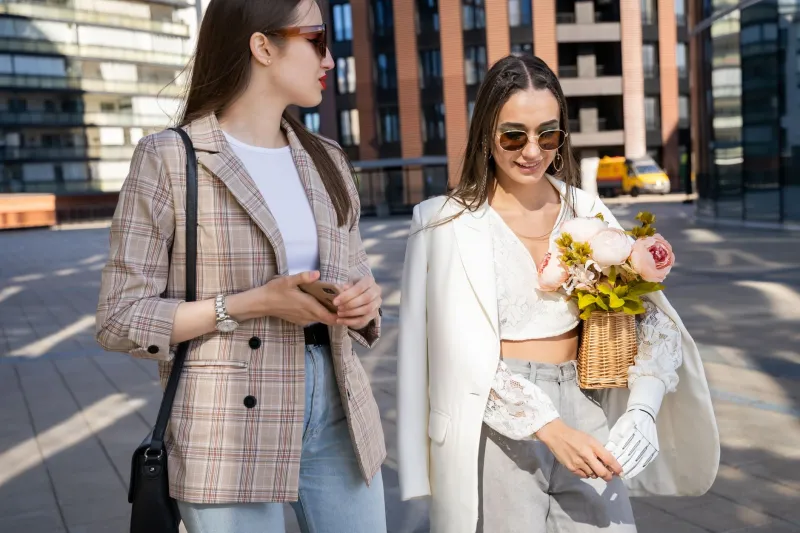
Beyond the red carpet, micro-influencers and everyday style creators have been arguably more powerful in normalizing romantic dressing for regular American life. The woman on Instagram styling a floral blouse with straight-leg jeans and white sneakers for a coffee run is doing something the fashion industry couldn't do on its own: she's showing that this aesthetic is wearable, accessible, and genuinely fun to live in.
How Real Women Are Making It Their Own
One of the most interesting things about the romantic fashion revival is how freely women are adapting it to their actual lives — rather than treating it as a costume.
In cities like Nashville, Austin, and Portland, the blend of vintage-inspired pieces with modern casual staples has become something of a regional signature. A smocked midi dress with cowboy boots. A lace-trimmed blouse tucked into high-waisted wide-leg jeans. A broderie anglaise top over bike shorts. These combinations would have seemed incongruous a decade ago; today, they look completely natural.
Suburban and small-town women are embracing the aesthetic through accessible entry points — the eyelet top from a local boutique, the floral wrap dress found at a vintage shop, the pearl-button cardigan from a department store. The romantic wardrobe doesn't require a massive budget or a specialty retailer; it requires a willingness to reach for something softer, something a little more considered, than the default.
Even workplace dressing has shifted. As remote and hybrid work has loosened dress codes, women who once felt pressured to present in sharp, austere professional clothing have reclaimed the freedom to dress in ways that feel genuinely personal. Floral blouses, delicate jewelry, and feminine silhouettes are showing up in Zoom calls and office hallways in ways they simply weren't five years ago.
What Comes Next
Fashion cycles, and anyone who tells you otherwise is selling something. Romantic dressing will evolve — it always does. But the underlying values driving this particular wave feel more durable than a typical trend.
The desire for quality over quantity, for clothing that tells a story, for an aesthetic rooted in beauty and craft rather than novelty — these aren't impulses that disappear when the next trend arrives. If anything, they seem to be deepening as more women grow weary of the disposability that defined fashion for so long.
At Ruffles & Bloomers, this is the moment we've always believed was coming. Not because romantic fashion is a trend we're chasing, but because timeless femininity — the kind rooted in genuine craft, personal expression, and a love of beauty — never really went anywhere.
It was just waiting for the rest of the world to catch up.